
History and Whimsy Come Together at Bogardus Hall
By Tara Kelly
Photographs by Colin Bazzano
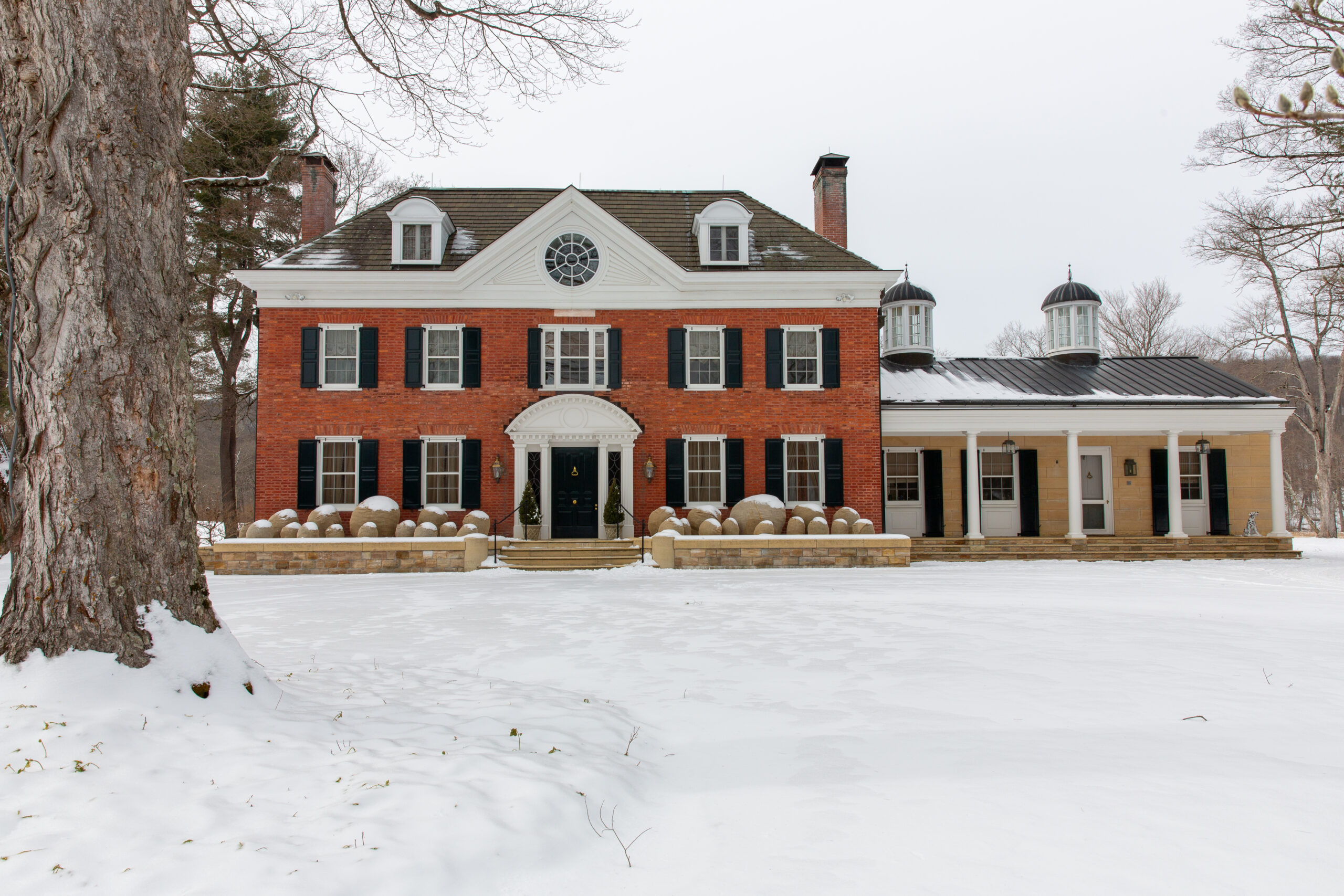
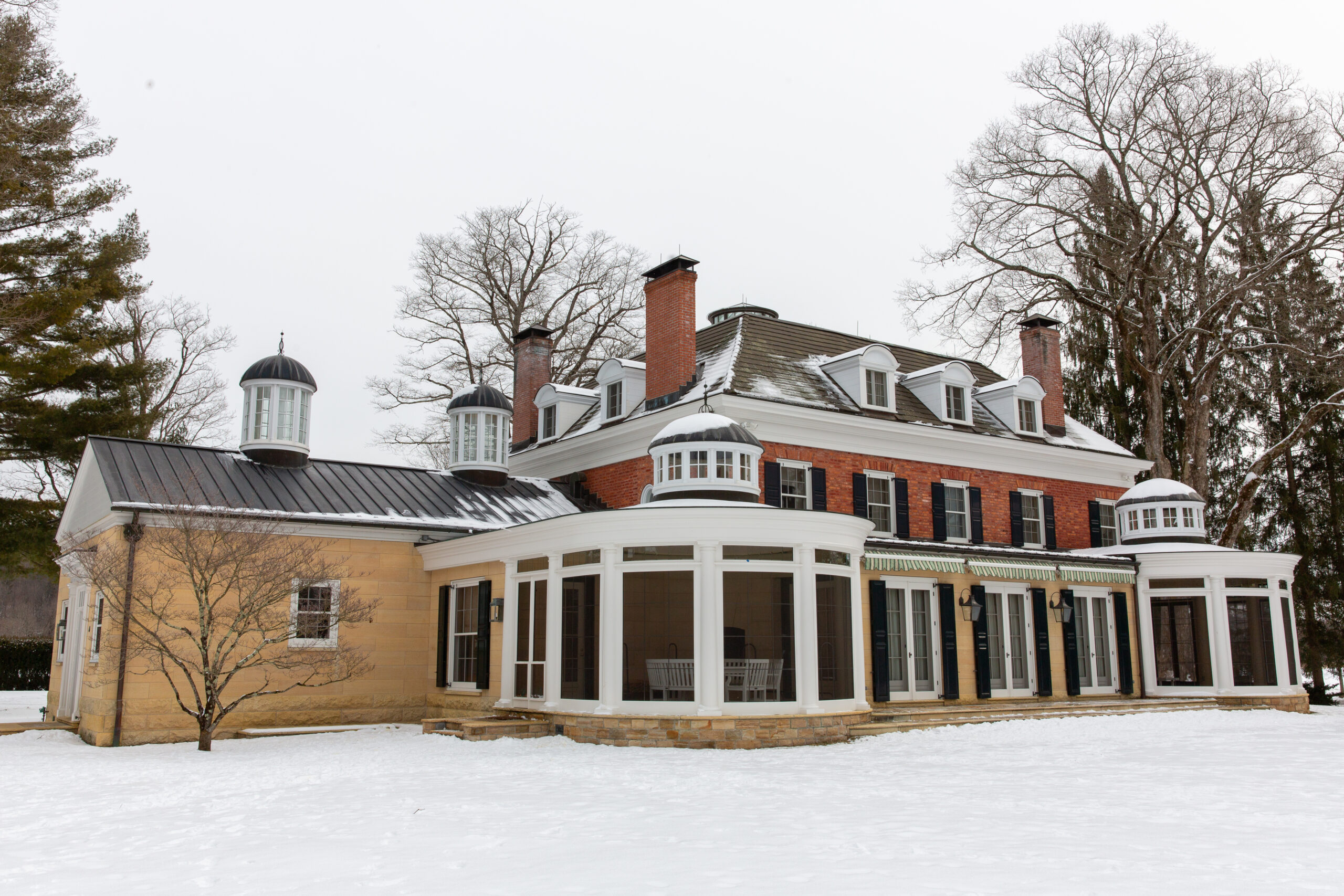
The elegant, sprawling Georgian sits close by a busy county road, screened by a towering cedar hedge; but passers-by can catch an enticing glimpse of a brick façade, chimneys, cupolas, and a stable. The grandeur seems unlikely for the location. What is this place? Who lives there? Built for Jacob Bogardus, a wealthy trade merchant, in 1781 it was surrounded by hundreds of acres of farmland and woods. For reasons unknown, Bogardus sold the property within 10 years, to the Morehouse family. Prosperous dairy farmers, they held onto it for five generations, through World War II, transforming it in 1871, from a Georgian to a mansard-roofed Victorian, with a wrap-around porch, and a ballroom on the third floor. “The house was in Connecticut until 1909 when they changed the border and it became part of New York state,” says current owner Andrea Walton. “The driveway is the state line. There was nothing in those days between Troutbeck and Bogardus Hall.” Walton discovered Bogardus Hall in the late 1980s, when she and her husband were looking for a place in the country. Most of the houses they looked at were clapboard Colonials with low ceilings. “Willem, who’s tall, was always ducking through doorways. This house fit him, with its high ceilings, large doorways, and hallways big enough to dance in,” Walton says.
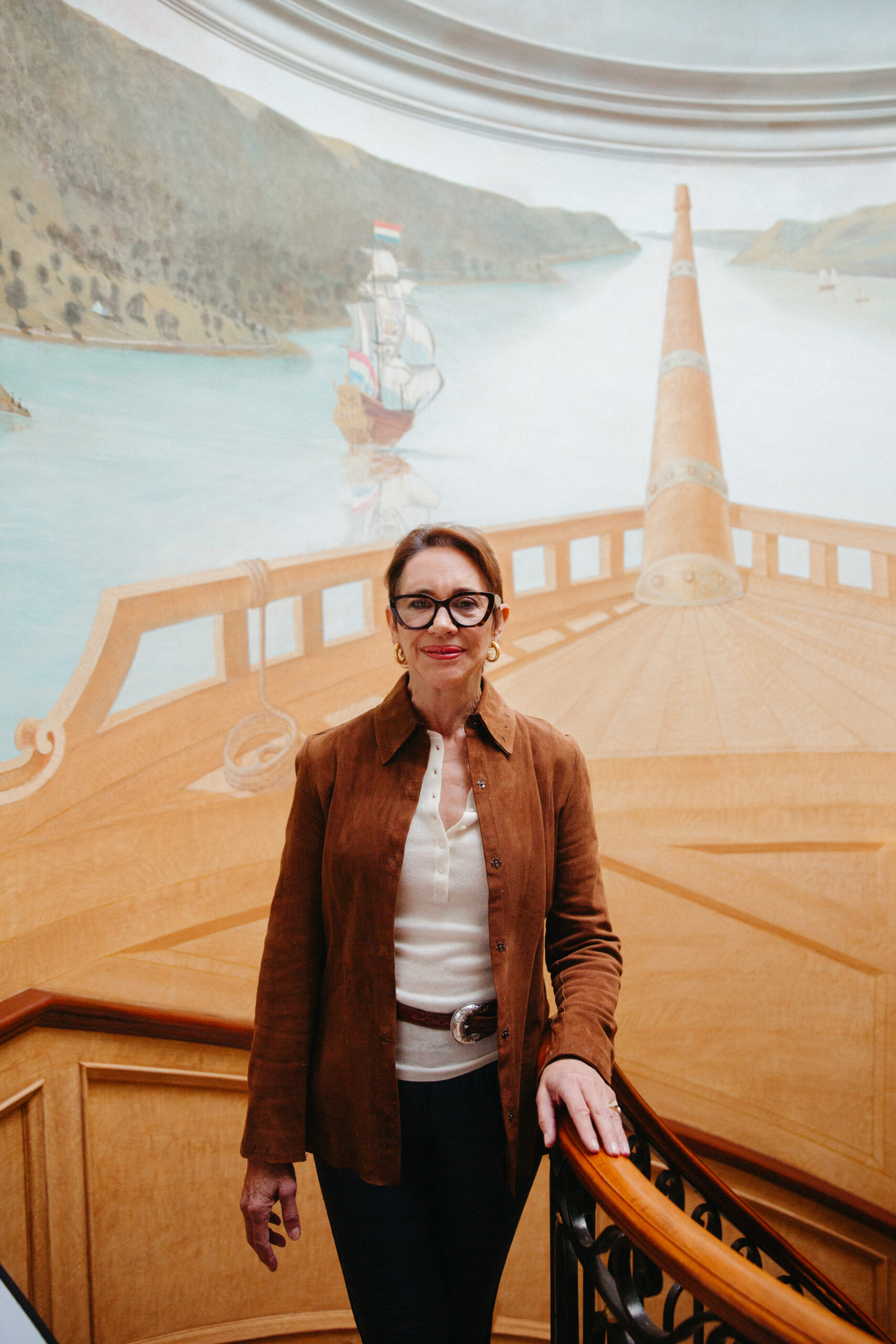
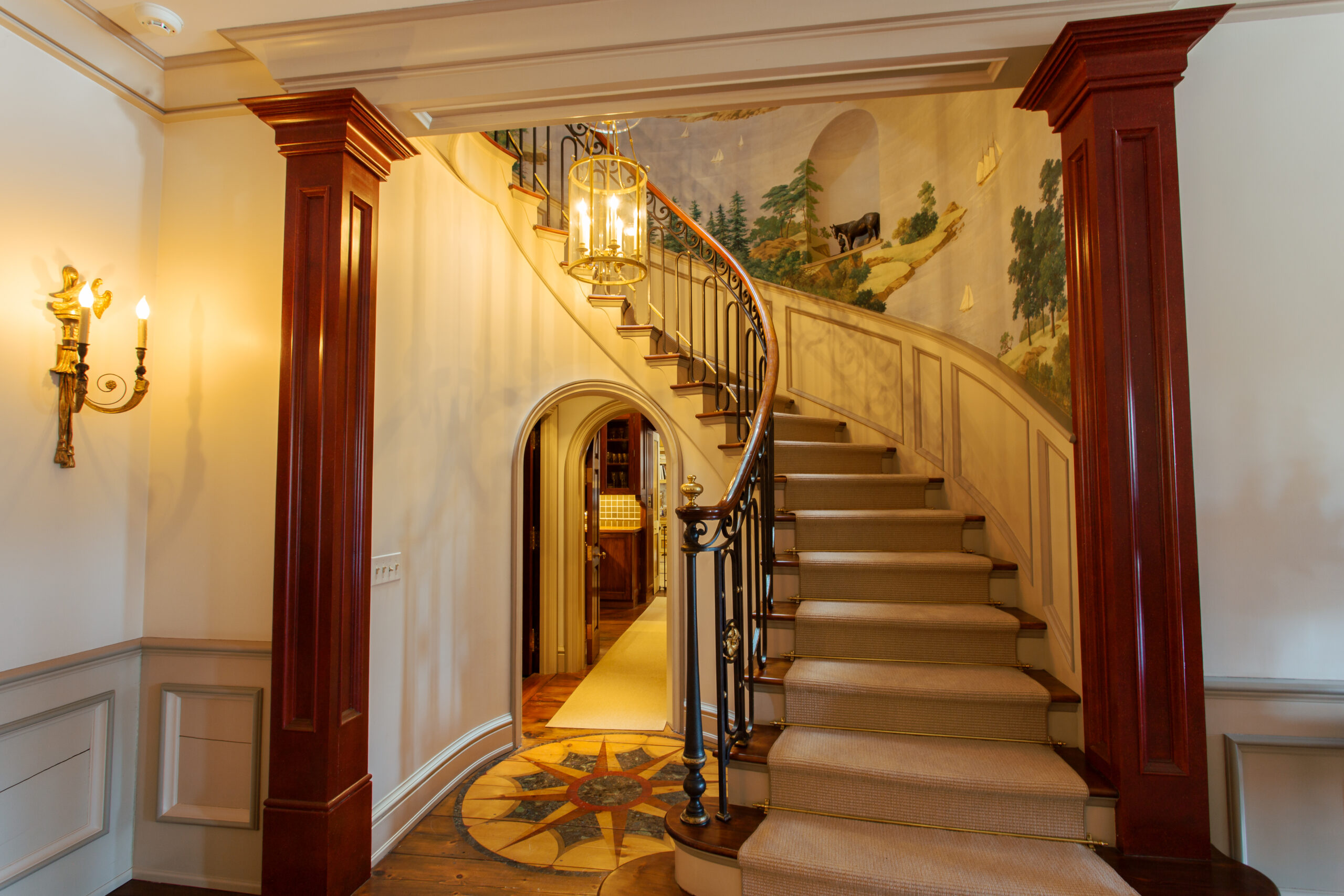
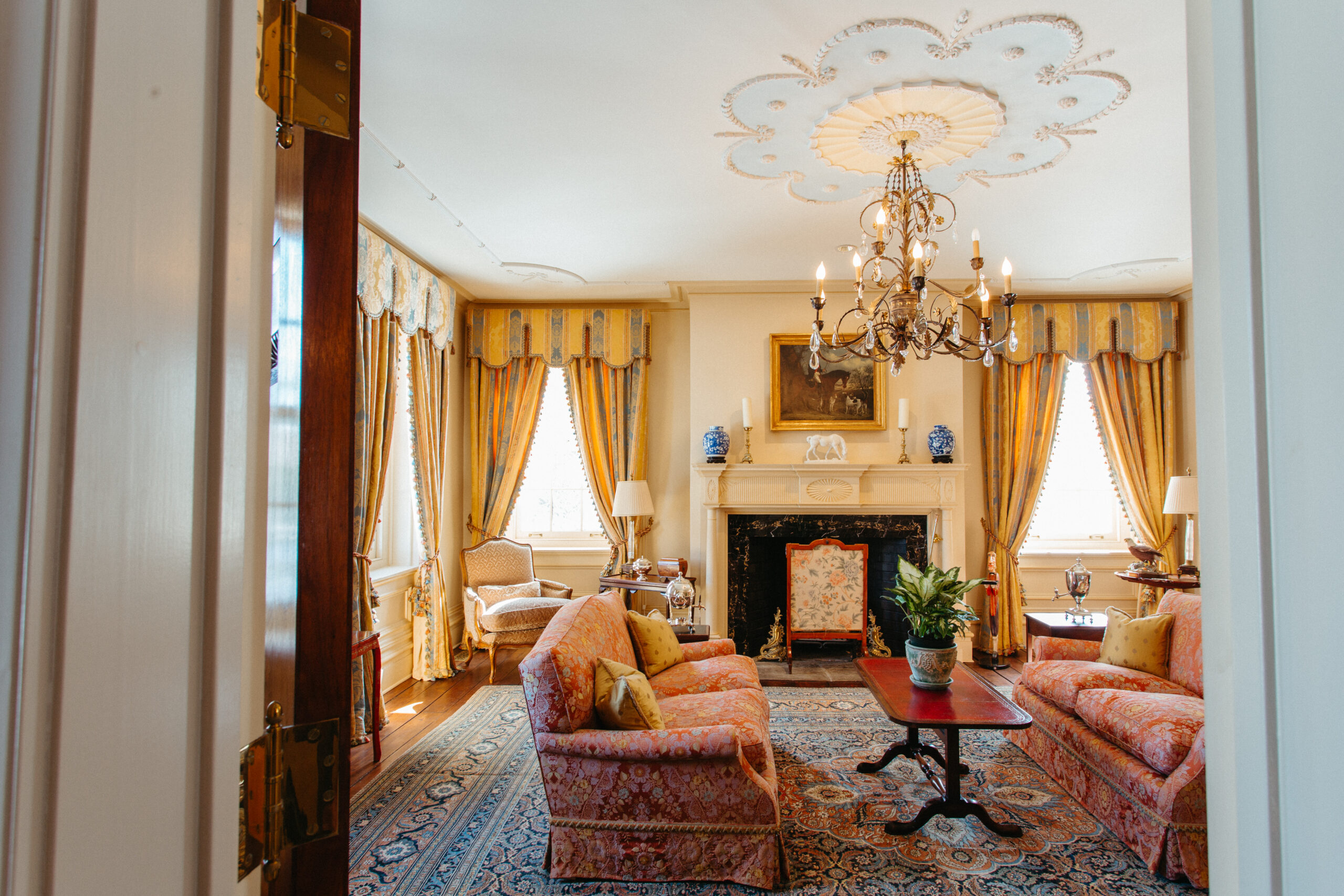
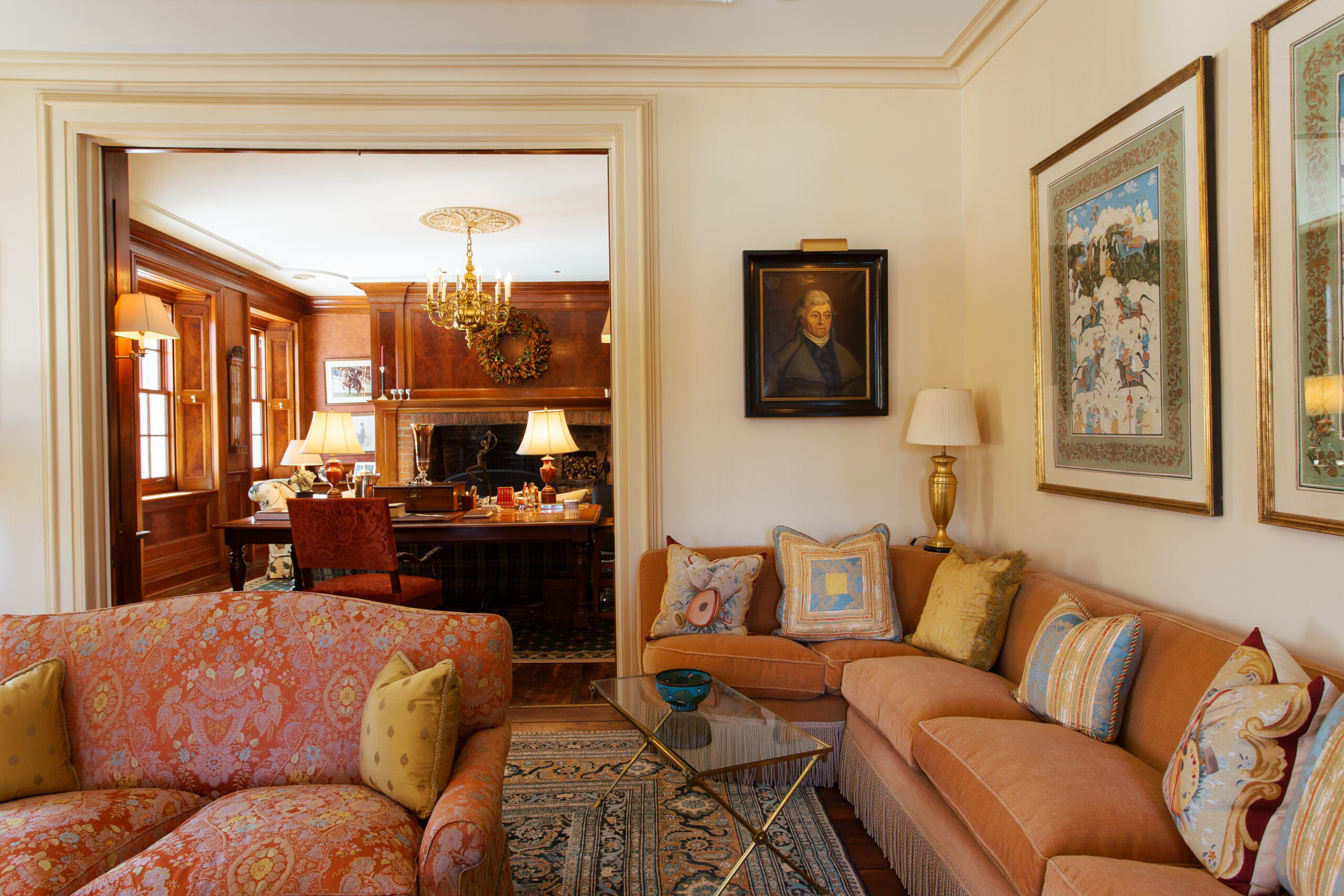
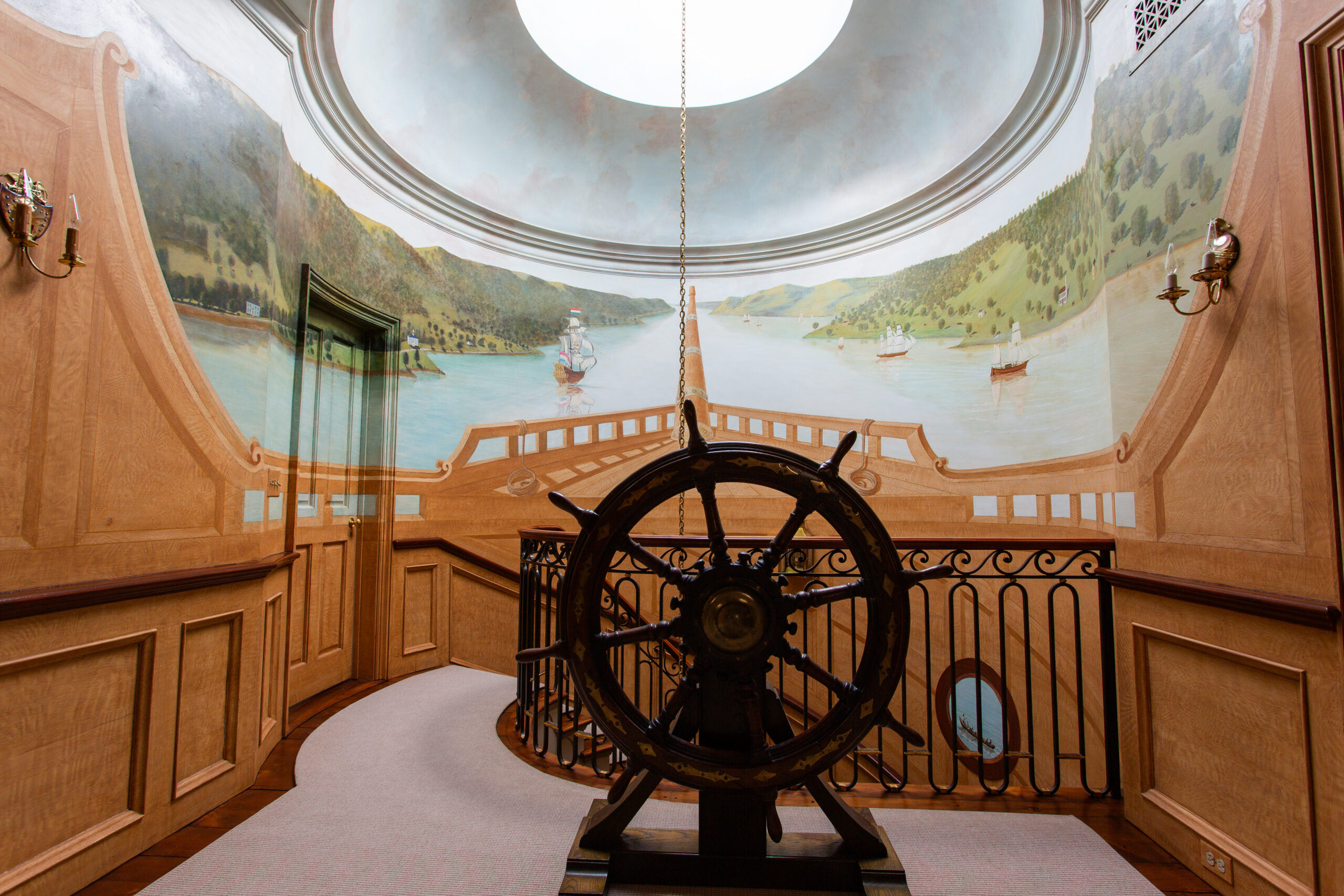
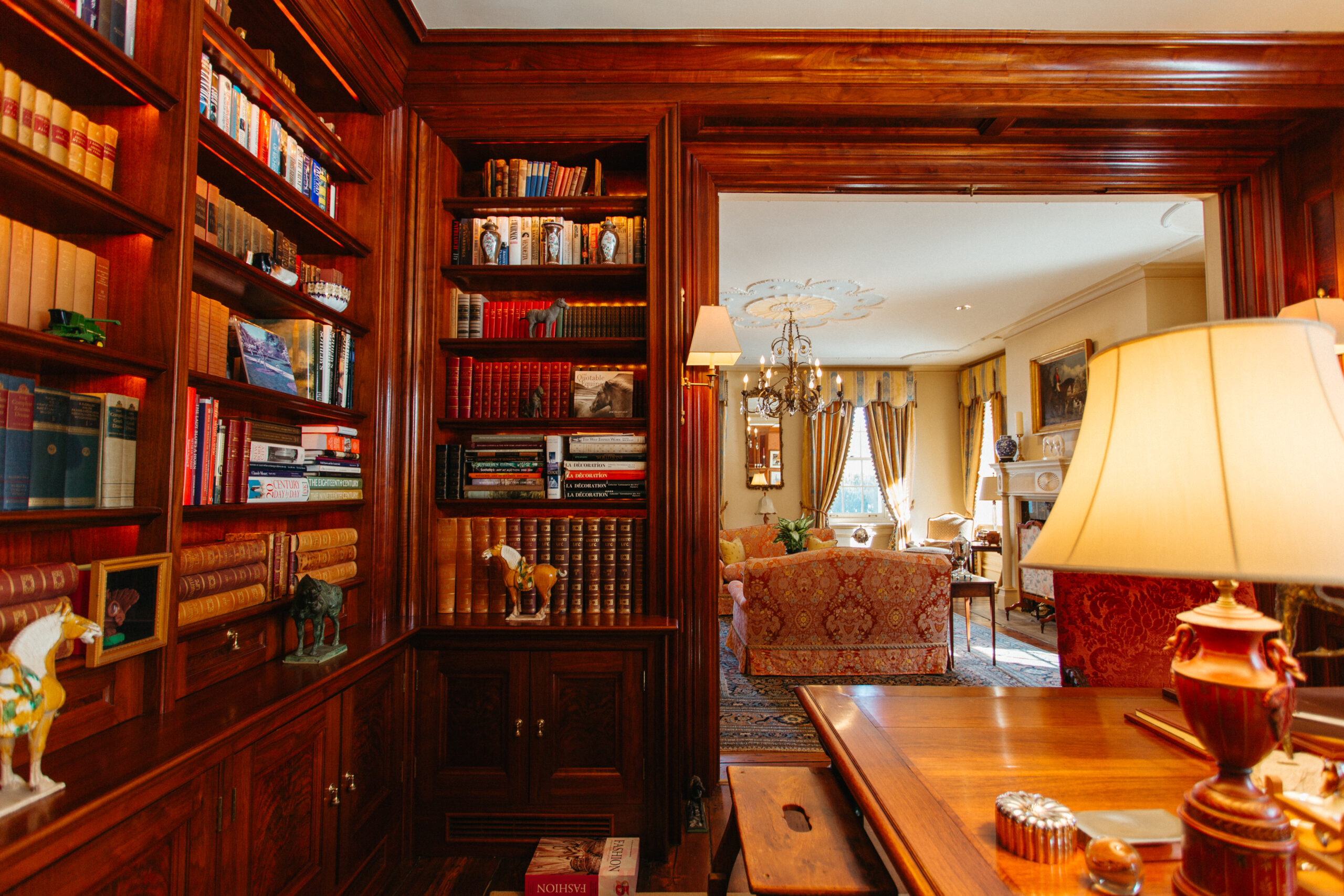
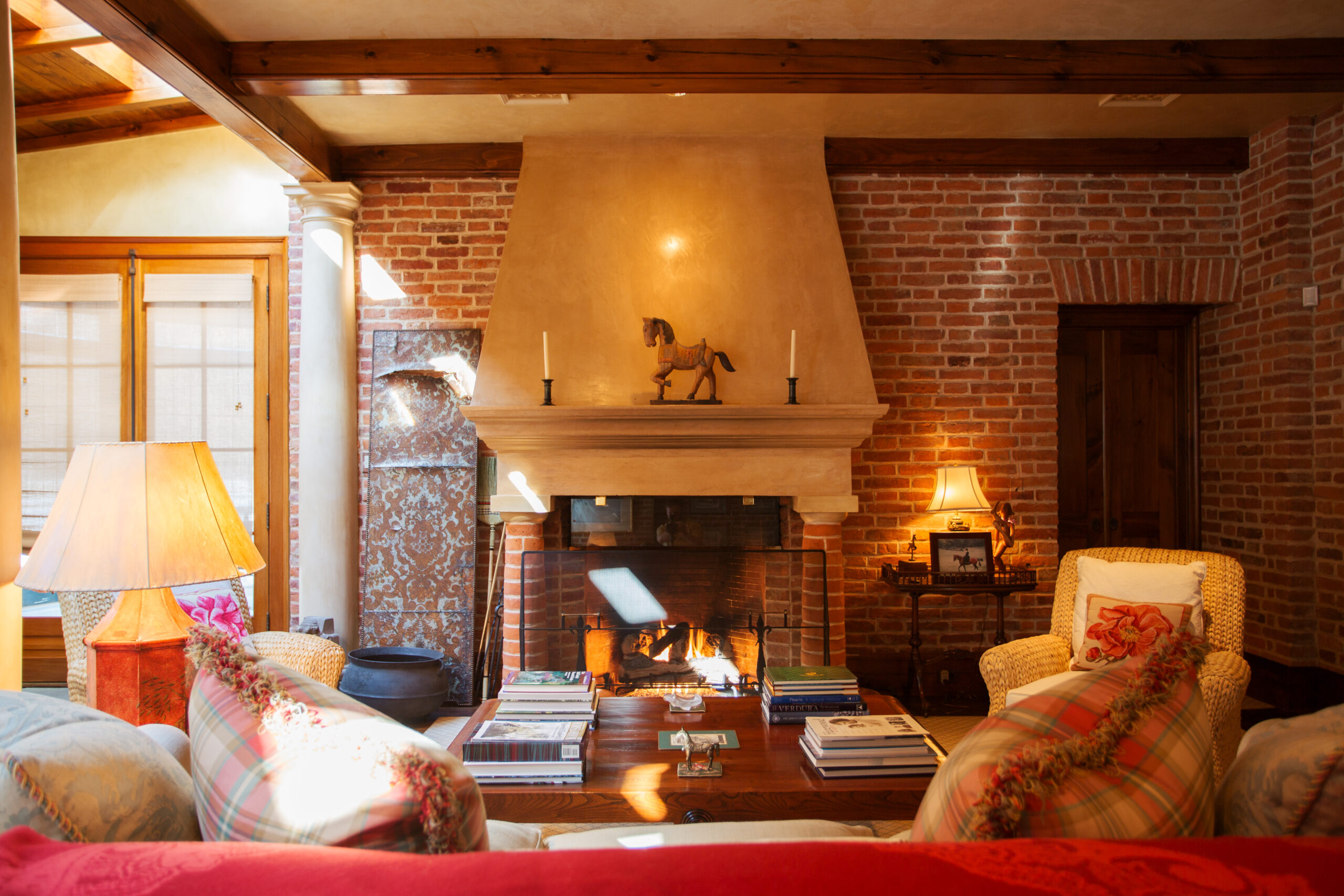
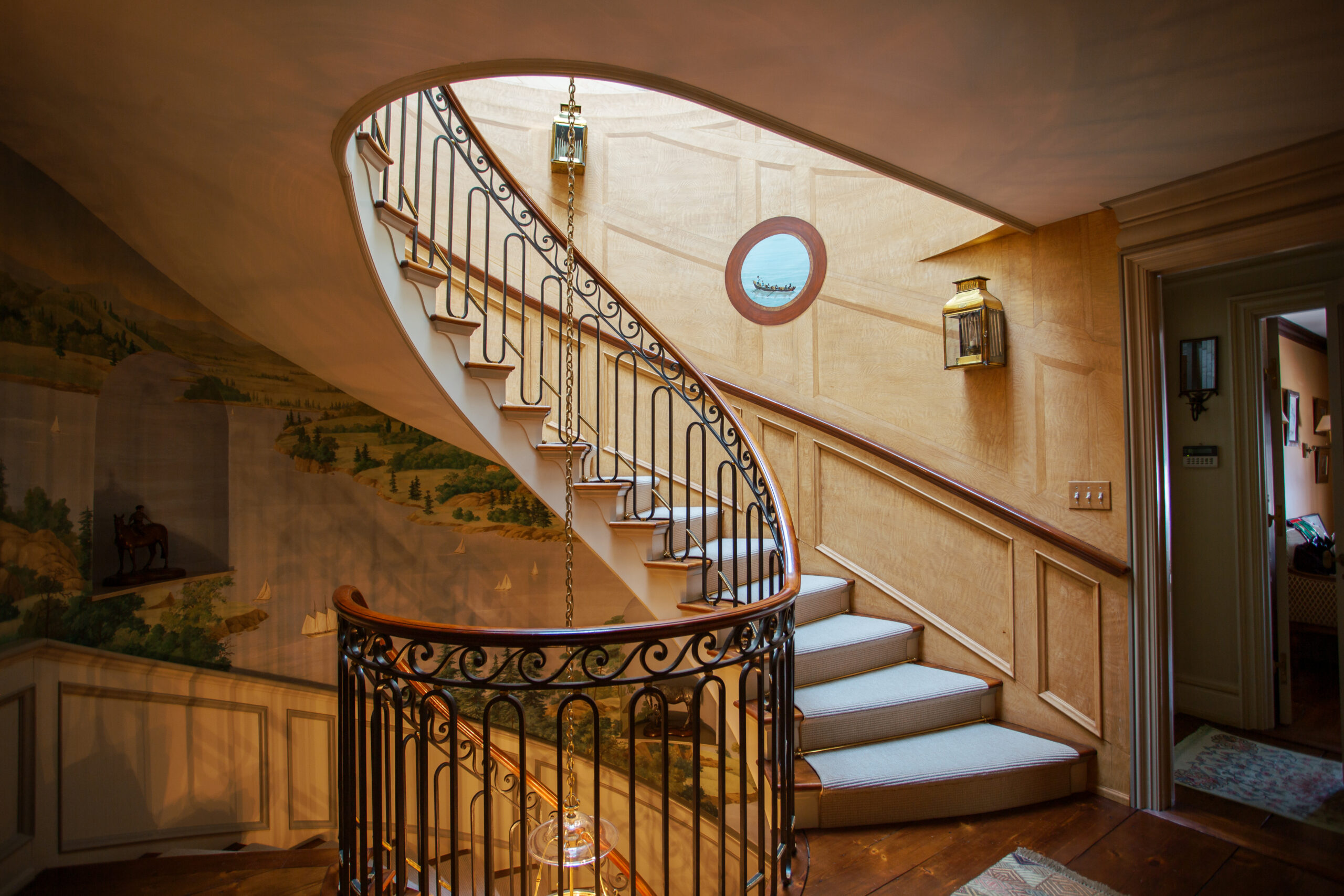
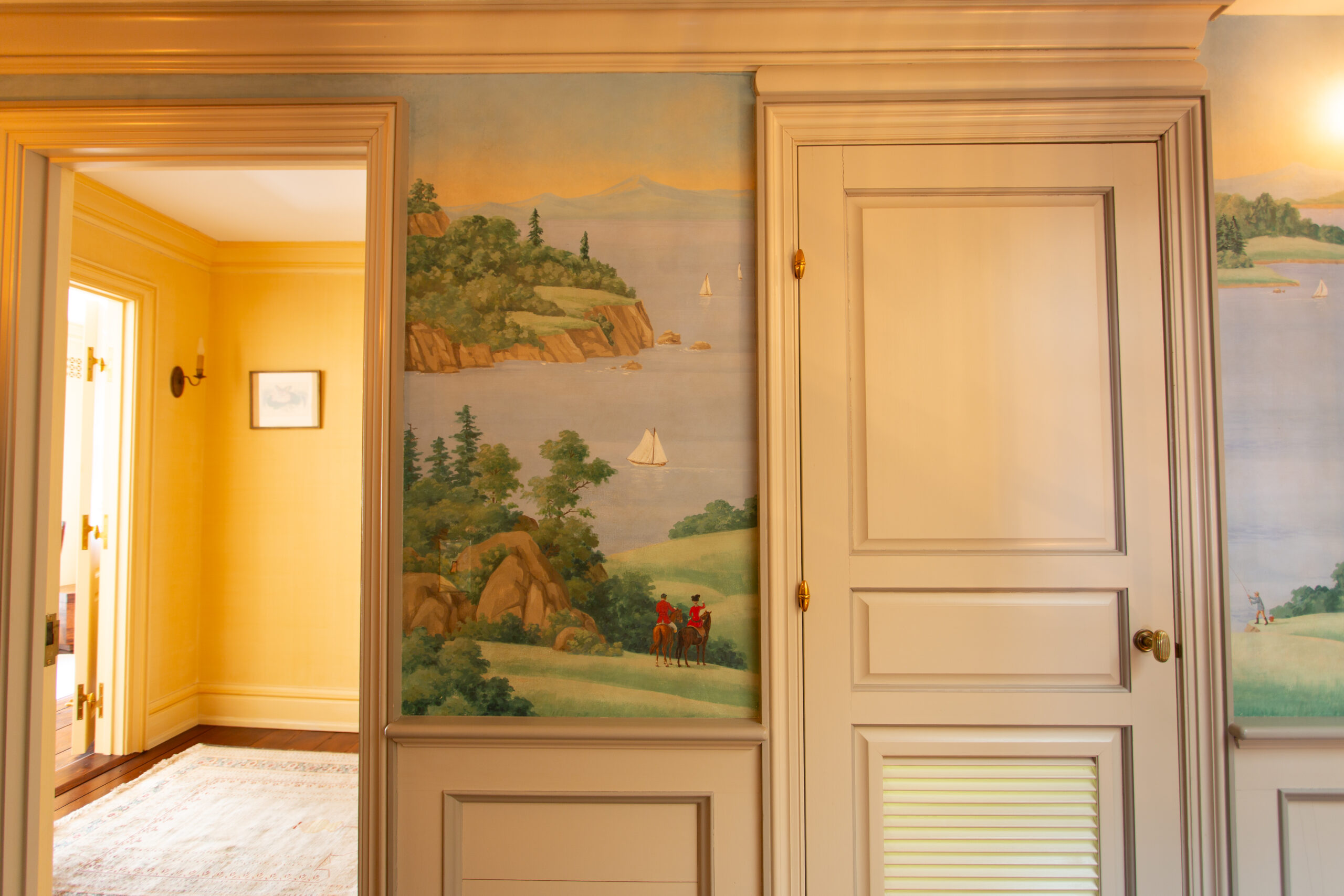
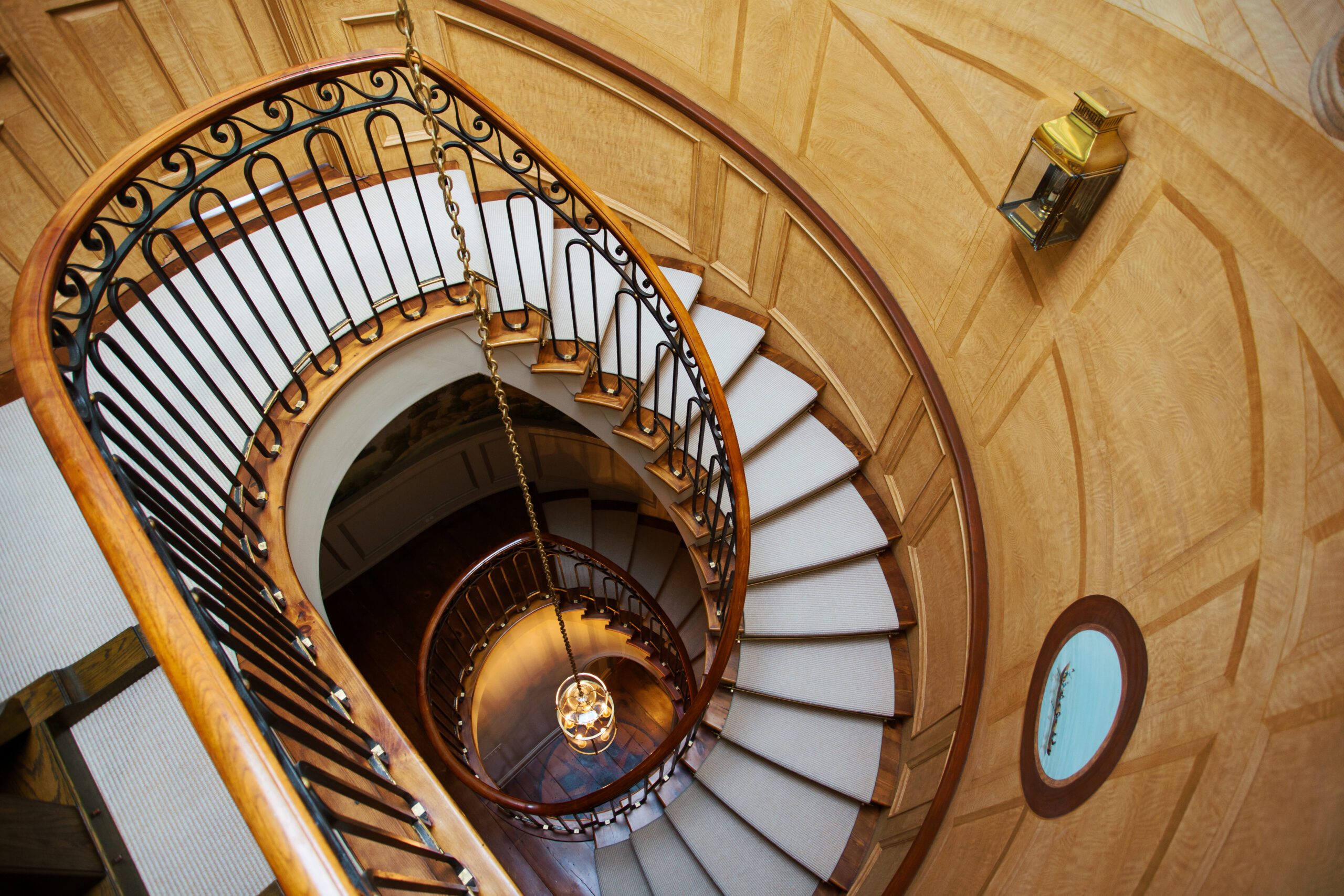
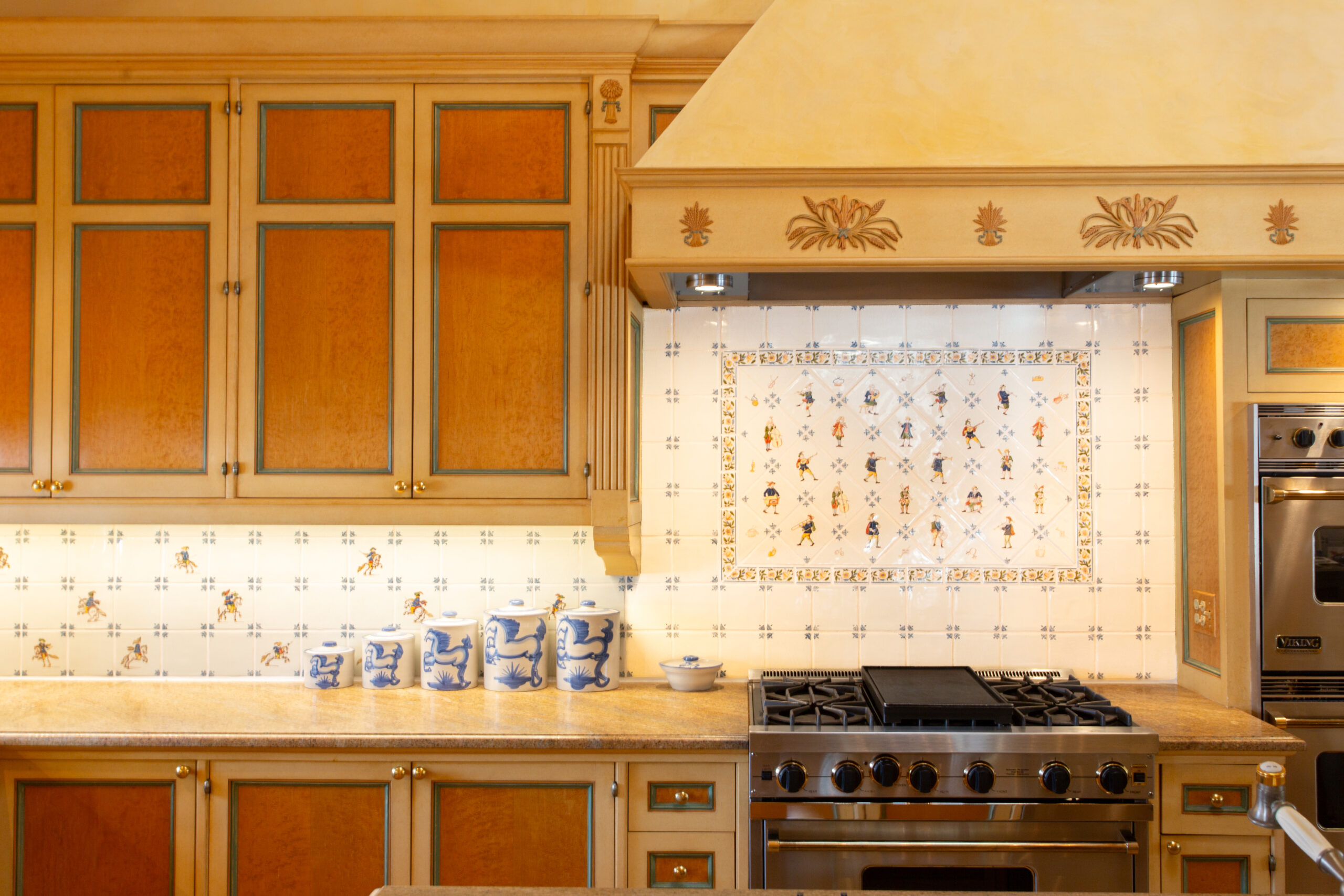
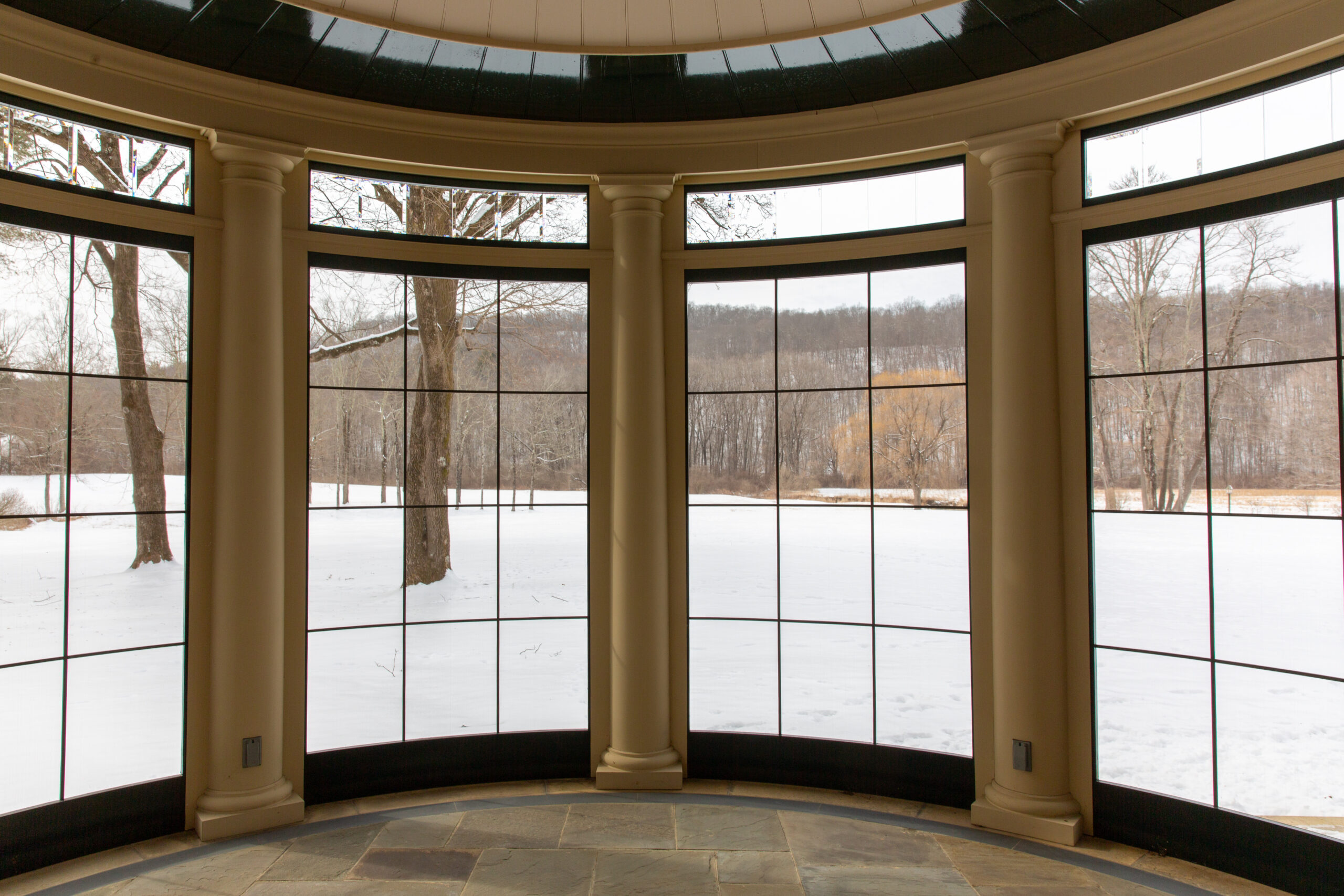
Walton loved the spaciousness of the house, and she wanted a place where her two boys could run free and explore; the Webutuck Creek runs through the property. “The boys spent a lot of time outdoors.” But after ten years of living in a house where the kitchen was in a narrow butler’s pantry, she decided to renovate. Working with Jonathan Lanman of Trumbull Architects, the renovation took four years. “It began with the removal of a modern multi-purpose room at the back of the house. In its place we built The Brick Room, incorporating the original exterior brick wall,” Walton says. They also removed the mansard roof and replaced it with a tile hip roof, in keeping with the original structure. The new kitchen got its own domed stone wing. “During the renovation, we discovered that the house had been used as part of the Underground Railroad. Hiding places were found in the walls,” Walton says. Walton cares deeply about the details, and values artisan craftmanship, Lanman says. “She found a French metal worker in Passaic, N.J., to create the iron handrail for the staircase; and a craftsman in Hyde Park, N.Y., who carved the drawing room mantlepiece. The renovation was a creative reimagining while staying true to the house’s Georgian roots.” “I replaced all the doors and hardware, installed pocket doors between the library and the drawing room, and added the rondelles on the drawing room ceiling, and in the front hall and library,” Walton says. “I took inspiration for those from Harewood House,” an estate in Yorkshire, England. She also appreciates the whimsical. She replaced the narrow staircase with a circular stairway, and commissioned a mural that progresses from the first to the third floor. “It was inspired by a Gracie Wallpapers design, but we took poetic license. We had family and friends painted in, riding, fishing, and picnicking in different vignettes,” Walton says. And they transformed the third-floor ballroom into the Captain’s Quarters, as a place for the boys to play, complete with a ship’s steering wheel overlooking the staircase. “Things are supposed to be fun,” she says. Walton talks fondly about Bogardus Hall. “The house seemed to like everything we did. Every new project, it seemed to say, ‘Bring it on.’”