What Was for Dinner? A look at what landed on the table in Dutchess County 250 years ago
By Alexandra Mazza
Illustrations by Shannon Blanton
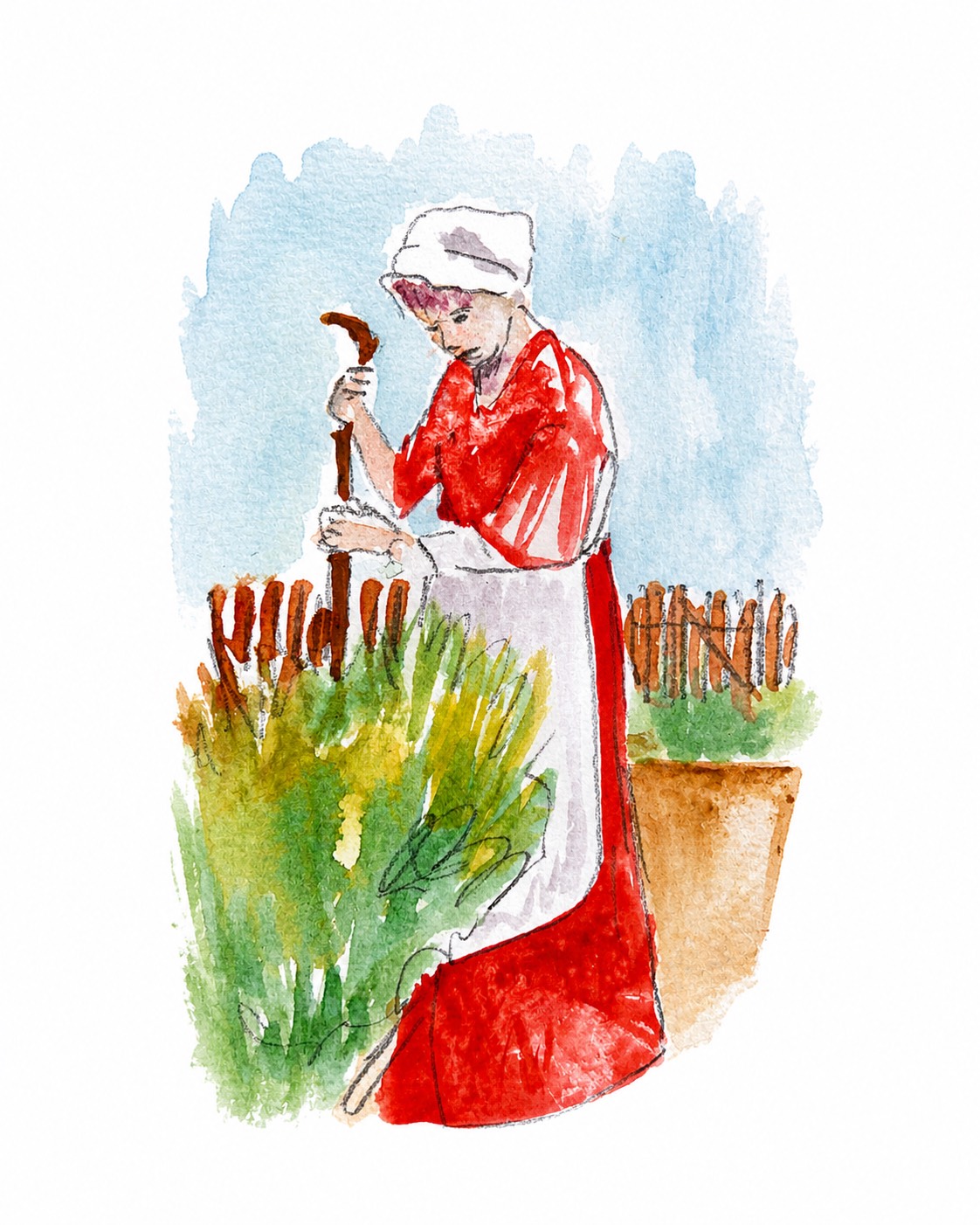
In the summer of 1776, as ink dried on the Declaration of Independence in Philadelphia and the young nation fought for its survival, the farm families of Dutchess County were doing what they did every night: pulling a cast-iron pot from the hearth and ladling out dinner.
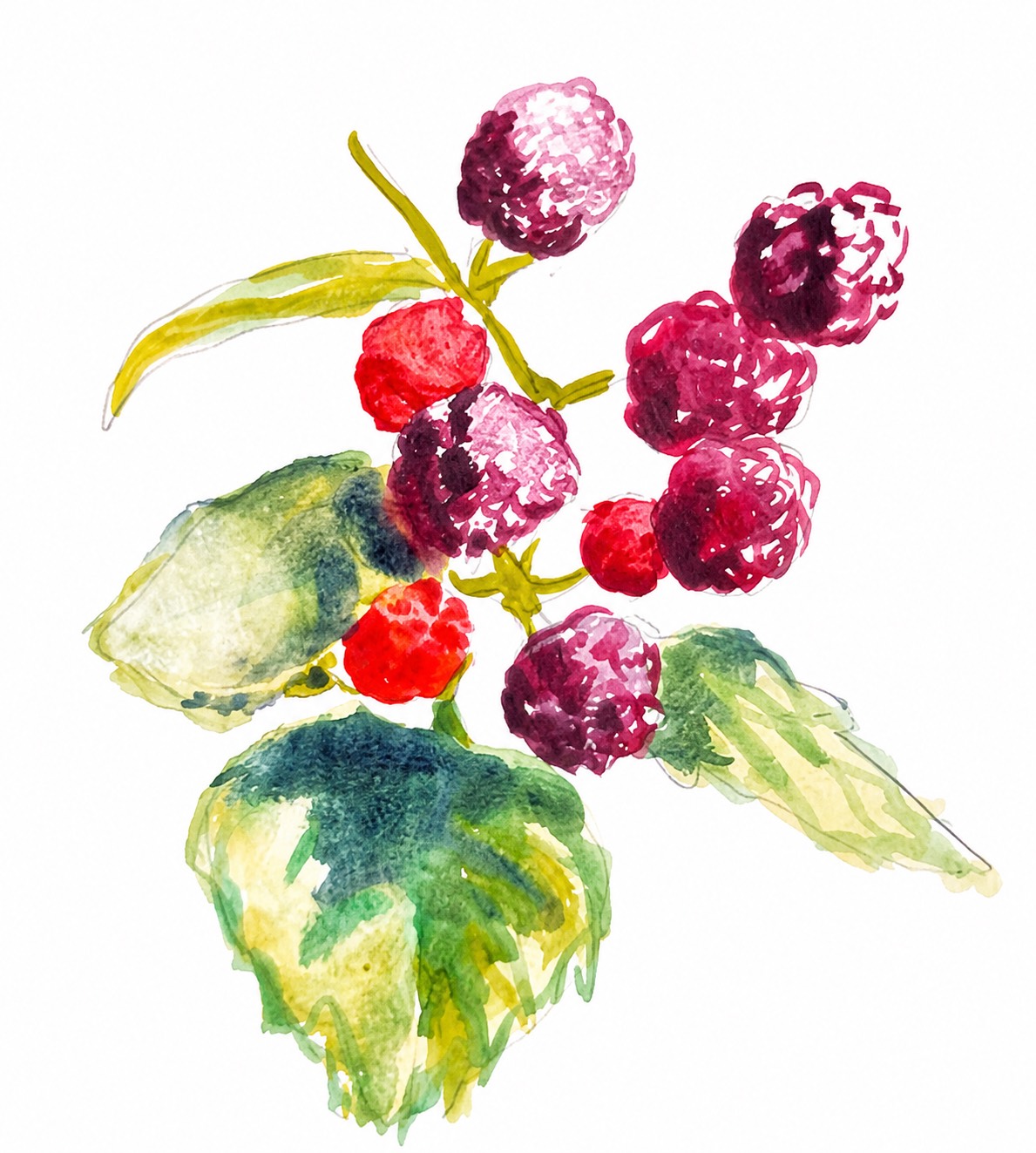
In the warm months, the meal was lighter and brighter than its winter counterpart. The brine barrel in the cellar stayed sealed, and the table filled with what the garden, the river, and the woods could provide. A summer supper might begin with fresh greens, peas, and new beets from the kitchen garden, alongside a piece of beef or pork too tender to bother salting. Shad and sturgeon from the Hudson, eels, and the occasional partridge or rabbit from the surrounding fields rounded out the plate.
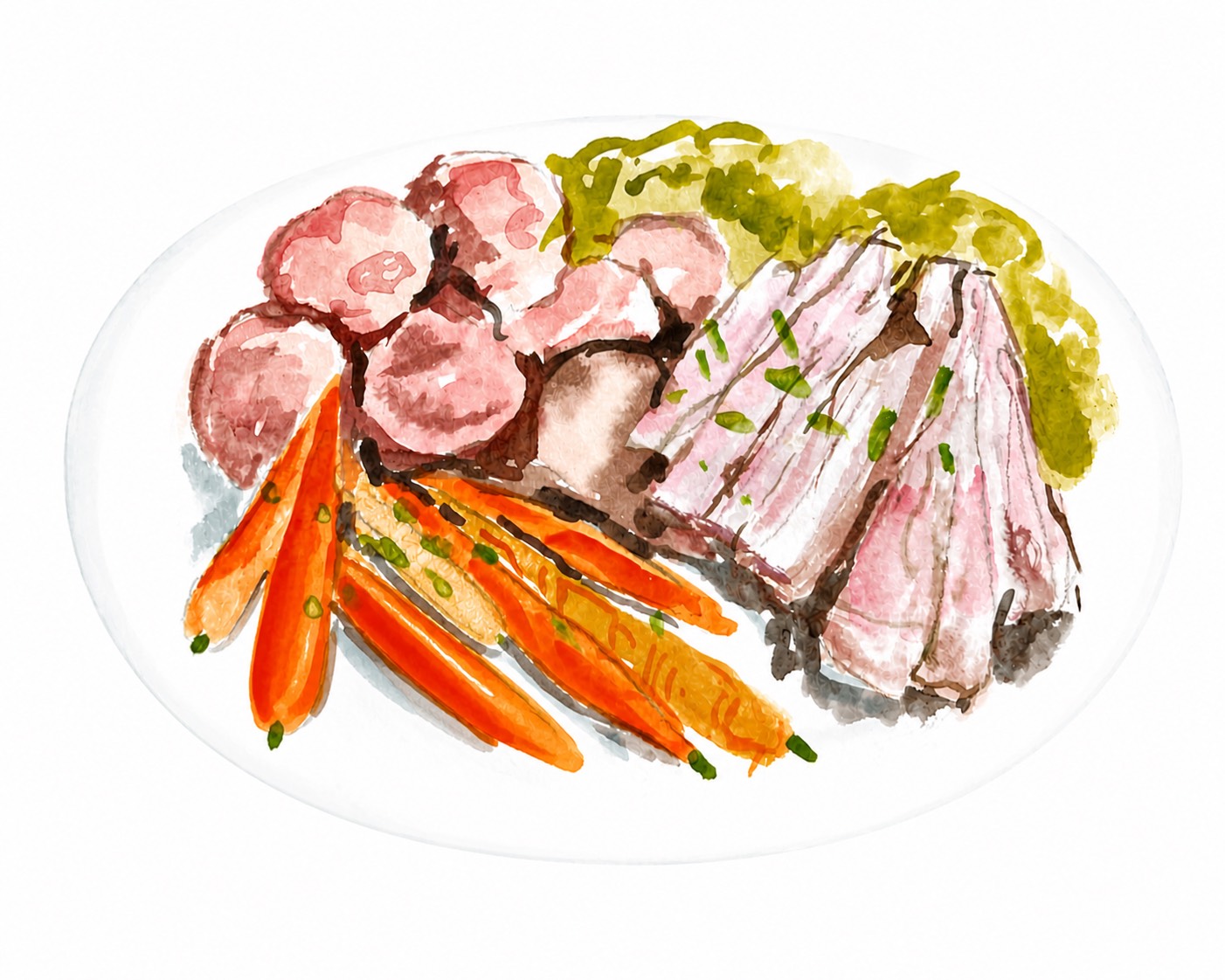
Salt meat still anchored the colonial diet, a cornerstone of tavern, military, and mercantile cooking in the days before refrigeration. But summer offered a brief, welcome reprieve. “A tavern or a large farm family might have a brine barrel in the cellar in which salt beef was kept for weeks.” In June, July, and August, that barrel could rest. In Dutchess County, wheat was central to the local economy and identity. The soils were well suited to grain, making Dutchess one of the great wheat-producing counties of colonial America, part of what was sometimes called the breadbasket of the colonies. A farm family in Rhinebeck, Beekman, or Fishkill would have eaten wheat bread far more often than the cornmeal staples of New England.
In 1776, Dutchess was a vital provisioner of the Continental Army, and Fishkill, home to one of the largest Continental supply depots, played a direct role in feeding the war effort. The same salt beef and flour that fueled soldiers on the march fed the families who sent them off. Breakfast was simpler, bread and milk or a porridge sweetened with molasses, which was far more common than sugar in colonial households. In Dutch households, koekjes or waffles might appear as a treat, traditions carried from Holland that quietly shaped American baking. The midday meal was the largest of the day, and supper was light. Summer brought fresh garden vegetables, wild berries, shad from the Hudson, and game from the surrounding fields.
Other Facts:
- Preservation: Before refrigeration, salting, pickling, smoking, and drying kept food edible year-
round. Hudson shad and sturgeon were salted during spring runs alongside brined meat,
pickled fruits, eggs, and seafood.
Drinks Meals were washed down with homebrewed cider, small beer, and applejack from local
orchards. Dutch settlers brewed strong beer in the European tradition, since water alone was
rarely trusted. - Kitchen Gardens: Most families kept a garden close to home. Dutch households planted
cabbage for koolsla, onions, carrots, and parsnips, while English families leaned on familiar
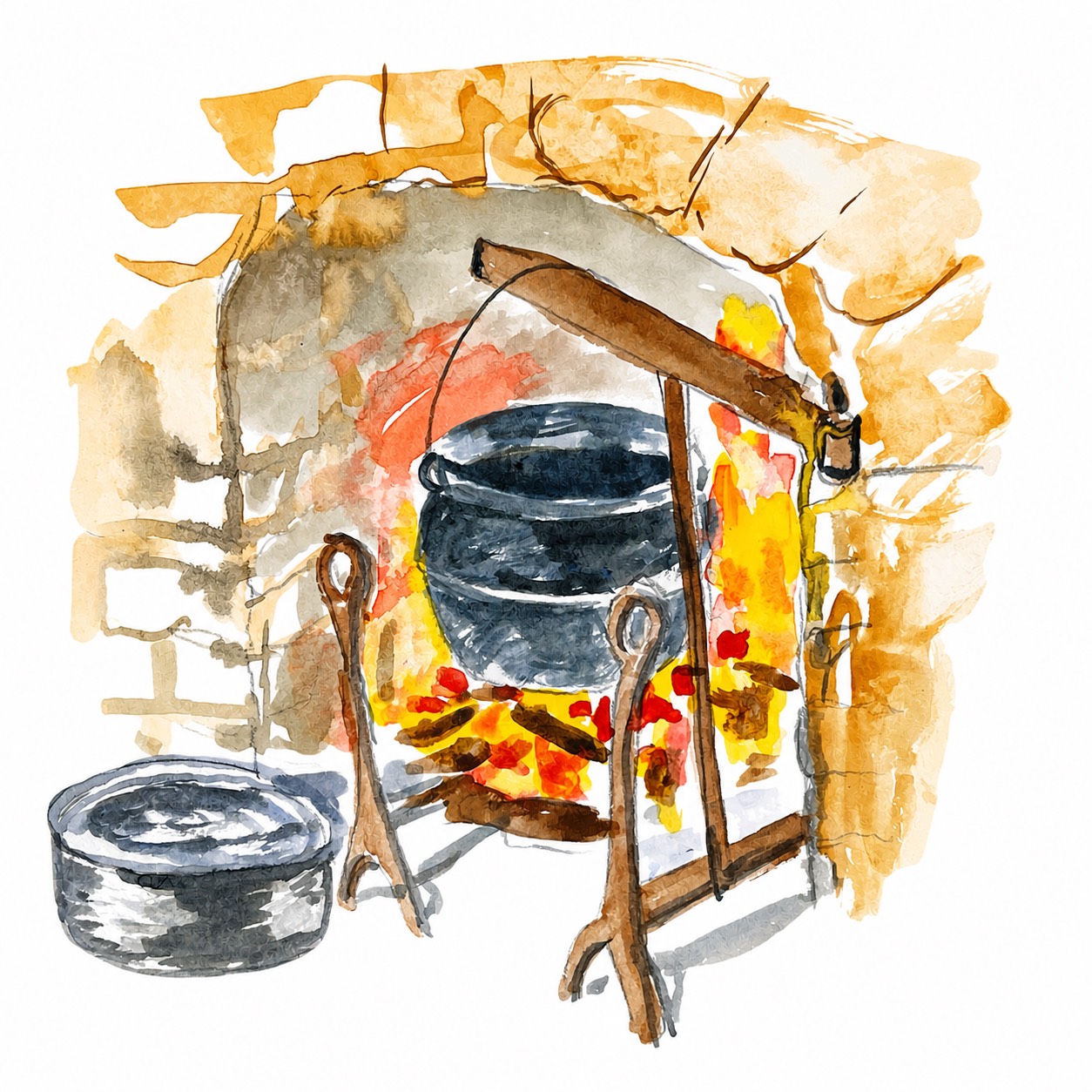
herbs. These plots supplied food, seasonings, and medicine. - The Hearth: The hearth was the heart of the home, used for warmth, light, and nearly every
meal. All cooking happened over an open fire. Dutch homes often had a wide jambless hearth
from Europe. - Sweets: Sweets appeared on special occasions, from maple sugar or molasses. Dutch families
baked koekjes, the root of our word “cookie,” olykoeks, an early doughnut, and waffles. - Wheat Country: Dutchess was one of the great wheat-producing counties of colonial America,
part of the breadbasket of the colonies. Wheat bread was far more common here than
cornmeal. - River Bounty: The Hudson brought yearly bounty: massive shad runs in spring, sturgeon prized
for flesh and roe, and eels through summer. River access also made imported goods more
reachable than inland.