

Seeing Over the Horizon
“The health of the eye seems to demand a horizon. We are never tired, so long as we can see far enough.” ― Ralph Waldo Emerson, Nature
One would be hard pressed to find a writer who more devotedly believed in the fundamental role nature plays in our lives than the father of transcendentalism himself, Ralph Waldo Emerson. It was this same belief that led the original founders of the Dutchess Land Conservatory (DLC) to set out on their mission to preserve the open spaces, dense forests, and rolling hilltops of their county—indeed, the horizon we now see.
The first official meeting of the DLC took place in 1985 in the kitchen of the organization’s founder, Leslie Barclay. Two years prior, Barclay had mobilized a small group of Dutchess County residents to visit Chadds Ford, Pennsylvania, and meet George “Frolic” Weymouth, chairman of the successful Brandywine Conservancy. There, they would learn how to develop a similar land trust for Dutchess County, and thwart the imminent threat of development slated for Bangall Amenia Road.
Thus began a local movement, and the birth of the organization that changed Dutchess County by keeping it much the same as it has always been. The DLC received its first easement on about 200 acres of Barclay’s farm on Fraleigh Hill in December of that year. The founders would never tire, seeing just “far enough” into the future. Today, as the DLC celebrates its 40th anniversary, the organization holds nearly 48,000 acres under conservation.
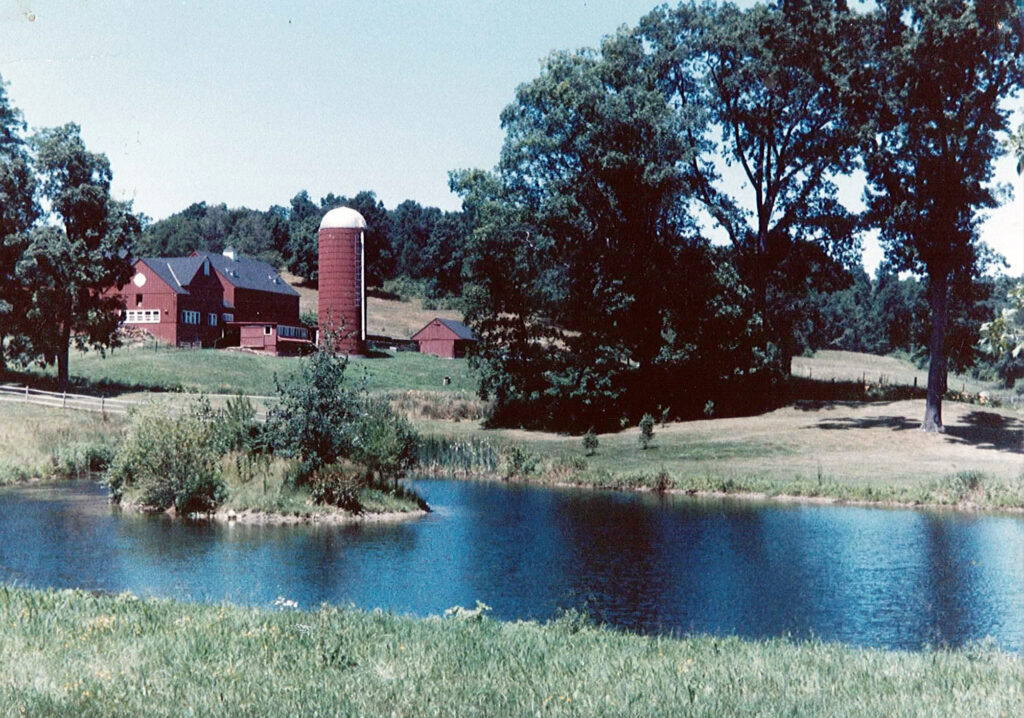
The sheer amount of acreage the DLC oversees is astounding, and has grown at an astonishing rate over its 40-year history. By the end of 1993, the organization had preserved 5,000 acres. In the next five years, that number doubled to 10,000 acres. By 2004, protected acreage doubled again to reach 20,000 acres and would double again, reaching more than 40,000 acres in 2016.
“We have our sights set on attaining 50,000 protected acres in the next year or so,” notes Becky Thornton, DLC’s president. “With the community’s passionate continued support of our efforts, I strongly believe we will succeed.”
Along the way, the DLC has received countless awards and accolades, making it one of the most revered land conservation organizations in the country. In 2009, the DLC was one of the first 54 land trusts to achieve accredited status through the Land Trust Accreditation Commission, a mark of distinction awarded to land trusts that meet the highest national standards for excellence and conservation permanence. In 2017, according to the National Land Trust Census, the DLC ranked in the top 3 percent nationally in the number of acres protected by conservation easement, and in the top 1 percent nationwide in the number of easements held. And in 2020 the DLC was awarded accreditation with “no expectations for improvement.”
“The DLC has always set the bar high in terms of not only exceeding its goals and achievements, but on being an organization that our community can trust and rely on,” adds Thornton. “We have been blessed over the years to have a devoted and exceptional board of directors that believes deeply in our mission, and a staff that always goes the extra mile because they are fully committed to our work.”
But it is the role of the community that has made the story of the DLC such a success. From the organization’s early days of farm tours to the annual Fall Luncheon, which now hosts more than 400 people and raises nearly $200,000 each year, the Dutchess County community has consistently answered the call to support the charity.
“It is my belief that one of the central binding values of the community is a collective attachment to the rural landscape of the Hudson Valley,” remarks DLC board chair Tim Mayhew. “We work on the land and we play on the land. The land sustains. Without the open landscape, there would be no community.”
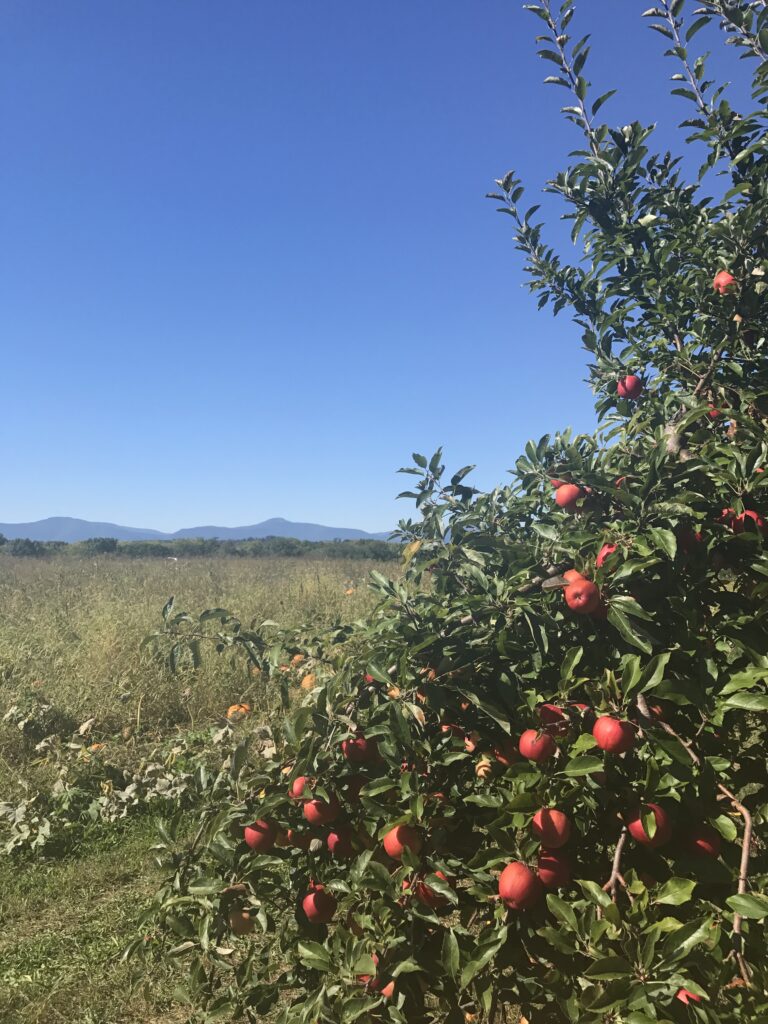
It’s people in the community who have stepped up to protect their land, and it’s the people who own protected land that are now the caretakers of that land. Without them, 48,000 acres would not be forever conserved.
Residents also regularly answer the call to volunteer to help spearhead and lead DLC events, staff booths at fairs, help stuff envelopes, clear invasives and build new trails, all of which are done with joy and camaraderie. Similarly, there is always an education event being offered to deepen understanding of the natural world. Julie Hart, the DLC’s director of education, finds endless inspiration in crafting and delivering both in-person and online programs. She observes that, “with our focus on land stewardship, we are constantly engaging with individuals and communities to learn what topics and issues are most pressing; this allows us to create solution-based programming that teaches the knowledge and skills people need to become better stewards of the land.”
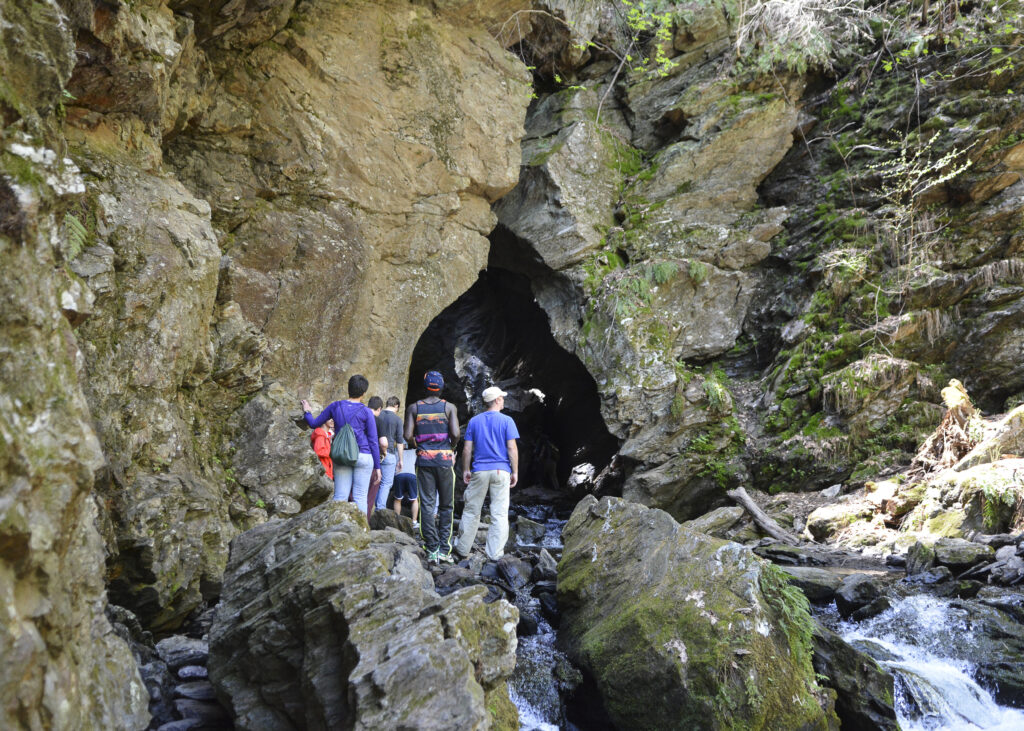
It is also worthy of note that the DLC oversees some of the most important public and private properties in Dutchess County, which provide a variety of enjoyable pursuits to residents. From the Dover Stone Church Preserve to Wethersfield Estate and Garden, from the Mashomack Preserve Club to Innisfree Garden and the Jesse and Gayle Bontecou Wildlife Conservation Preserve, it wouldn’t be an understatement to say that whatever your outdoor pursuit, it is likely made possible through the land preserved by the DLC.
As the DLC celebrates its 40th anniversary, there have indeed been many milestones from those initial meetings with Brandywine Conservancy. Today, the DLC serves as a role model for other conservancies. “I am proud to say that our stewardship team has always been one of the best in the country, continuously initiating new tools and technology to aid in our work to oversee the 48,000 acres we protect. We stay on top of accreditation requirements to ensure best practices across all aspects of our organization, raise millions of dollars annually to protect our working farms, continuously educate our staff and landowners about sustainable land management practices, strategically plan on how to annually meet our conservation goals, and engage directly with the people in this area who help guide our efforts,” observes Thornton. “We could not be more grateful to this community for not only supporting, but for inspiring our work over the past 40 years. Together, just look at what we have achieved.” As Emerson also said: “Throw a stone into the stream, and the ripples that propagate themselves are the beautiful type of all influence.” May the DLC continue to have such an influence.